
Are you thinking of becoming a homeowner? In addition to the cost of purchasing the property, there are a number of other expenses you’ll have to cover each year. In this article, we’ll look at the various expenses you can expect and help you estimate your annual costs before you take the plunge.
Main costs associated with buying a property
In addition to the purchase price and down payment, buying a home involves a number of other costs. These generally represent between 2% and 3% of the home’s value, so it’s important to plan ahead for them.
Down payment
Anyone who wants to purchase a property must make a minimum down payment based on the purchase price and the type of home. This amount is deducted from your home loan, which reduces your mortgage payments. If you make more than the minimum down payment, you may be able to secure a better mortgage rate and reduce or even eliminate your mortgage insurance premiums. In fact, by putting down 20% or more, you avoid having to purchase mortgage insurance.
Notary fees
Your notary plays a key role throughout the purchasing process, ensuring a smooth process and the integrity of the transaction. They examine the title deeds, check the validity of the clauses, and confirm that all conditions are met, in addition to making tax-related adjustments and drafting the deed of sale.
- Cost: lump sum ranging from $1,500 to $3,000
Appraisal fees
Your financial institution may request an appraisal of the property in order to determine whether the market value is consistent with your offer. These costs may be reimbursed under certain conditions.
- Cost: between $400 and $1,000, depending on the type of property
Inspection fees
The purpose of a building inspection is to determine whether the property you want to buy has any major problems that could affect its value or represent a hazard. By including it as a condition in your offer to purchase, you can demand that repairs be made or even negotiate the price of the house. It can also help you identify any work that may need to be done in the short or long term.
- Cost: between $500 and $1,250 depending on the type of property
Title insurance
Taking out title insurance could save you a lot of problems down the road. It protects you in the event of fraud, errors related to the title deed or certificate of location, if developments on your property go against any municipal by-laws, or if the previous owner left unpaid debts.
- Cost: between $250 and $800, depending on the type of property and its value
Property transfer tax
Also known as the “welcome tax,” the property transfer tax represents a percentage of the property price or municipal assessment.
Moving expenses
If you’re buying a property to live in, don’t forget about the costs of moving and setting up utilities and telecommunications services in your new home. You may also have to buy new appliances, furniture, or decorative items. Unless the property you’re buying is in perfect condition, make sure to budget for the cost of renovations.
Annual costs of owning a house
In addition to the costs associated with buying a property, you’ll have certain recurring costs each year. Planning for these expenses from the outset will give you greater control over your budget and secure your long-term financial health.
Here’s a list of expenses to consider in your budget before taking the plunge.
Mortgage interest repayment
Like most homeowners, unless you buy your home with cash, you’ll have to take out a mortgage loan that you repay every month. Mortgage payments consist of the principal, which is the amount you borrowed, plus interest at a fixed or variable rate.
Mortgage loan insurance
If your down payment is less than 20% of the cost of your home, you’ll also need to take out mortgage loan insurance, which is included in the amount of the mortgage loan. In most cases, this policy will be issued by Canada Mortgage and Housing Corporation (CMHC). The premium varies between 2.80% and 4% of your mortgage balance and is calculated based on the size of your down payment.
Property taxes
Property taxes include municipal taxes and school taxes. Property taxes are calculated based on your property assessment and the rates in effect for your municipality and borough, plus fixed fees. For example, in 2025, the current rate for a residential property is $0.4638 per $100 in Montreal, $0.7284 per $100 in Quebec City and $0.8361 per $100 in Trois-Rivières.
School taxes are also calculated based on your property assessment, minus a $25,000 exemption. The current rate was standardized in 2020, so the same rate applies throughout the province. For 2024–2025, you’ll pay $434.72 for a property valued at $500,000.
Although most people know about property taxes, it’s important to accurately assess the amount you will owe so that you can plan for it in your annual budget.
Home insurance
From a fire to water infiltration to a burglary, there are many ways in which your property can sustain damage. Fortunately, home insurance can save you a lot of stress and financial headaches.
An analysis of the building and your assets will give you a better idea of the coverage you need. There are many factors that can influence the cost of insurance, including the deductible amount and whether you have filed a claim in the past.
Maintenance costs, renovations, and co-ownership fees
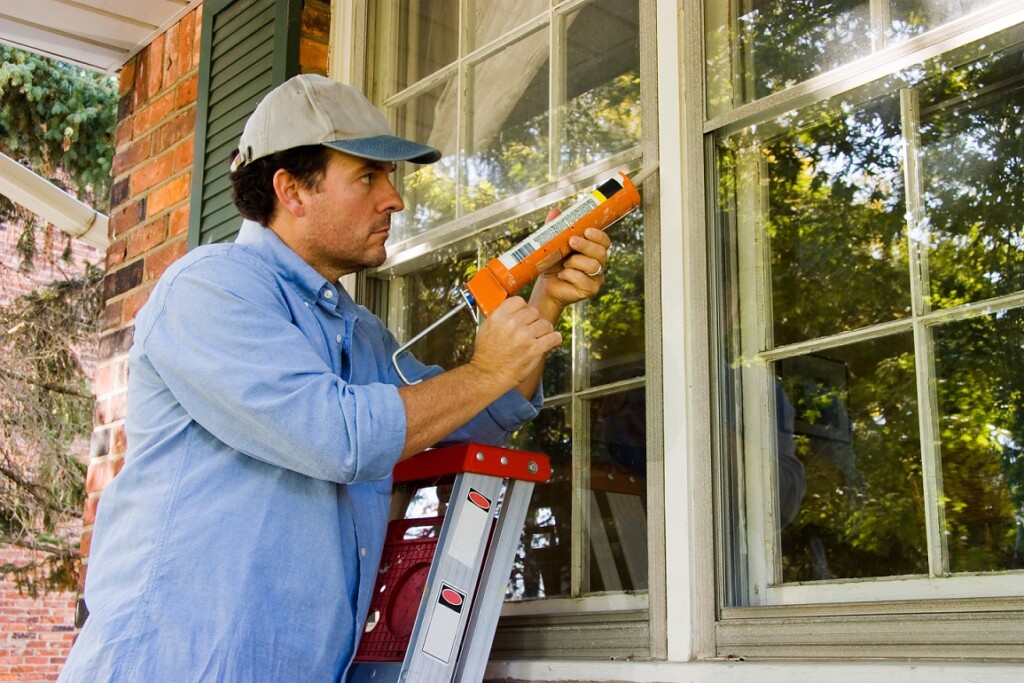
Maintaining your home is a must in order to preserve its value and avoid unpleasant surprises in the future. For example, it’s a good idea to prepare your home for winter by caulking your windows and doors and cleaning out your gutters. In addition to any recurring seasonal tasks, you should be prepared to make planned and unplanned repairs that may impact maintenance costs—think plumbing, roofing, electrics, and appliances (which don’t last forever)!
Every year, draw up a list of repairs that need to be done, plan your budget accordingly, and build up an emergency fund! You can also handle certain tasks yourself to save money. If you own a condo, most maintenance costs are usually included in your condo fees.
Additional costs when buying a house
If you buy a newly built home, you’ll have to pay GST and QST on it, which will increase the purchase price by about 15%.
Why plan ahead for purchasing costs?
Planning for purchasing costs helps you anticipate the true cost of homeownership and align your budget with your long-term goals. From legal fees and inspection costs to insurance and taxes, these additional expenses have a direct impact on your borrowing capacity and the viability of your real estate plans. Taking the time to understand them in advance can lead to smarter financial decisions.
Avoid financial surprises
Unexpected costs such as repairs or higher insurance premiums can quickly impact your financial stability.
You’ll gain a clearer picture of your borrowing capacity by assessing your monthly income, debts, and savings. This insight can help you identify what type of home is realistically within your reach and avoid stretching your budget too far. Always leave room in your finances for the unforeseen.
Optimize your borrowing capacity
When assessing your borrowing capacity, financial institutions take into account your debt service ratios: gross debt service (GDS) and total debt service (TDS).
There are many ways to reduce your debt ratios, such as paying off or consolidating your debts, or increasing the amount of your down payment to reduce your mortgage payments.
These strategies could increase your chances of getting a better mortgage rate and loan conditions.
Don’t hesitate to consult a Multi-Prêts mortgage broker for more information.
Key takeaways
- The cost of buying a home represents between 2% and 3% of its total value.
- In addition to the costs associated with purchasing the property, you’ll have a number of other costs every year.
- The cost of buying a new home has a direct impact on your borrowing capacity.
- Paying off debt and increasing your down payment can help you increase your borrowing capacity.